EduPrism — Evolve with Education
VCE/Mathematical Methods

From first derivative to full marks, even when Exam 1 has no calculator.

From functions and algebra to calculus, probability and statistics, every session follows the VCAA Mathematical Methods Study Design and your school's SAC calendar — with the same specialist tutor each week, in a group of no more than five.

Book a free diagnosticf(x) = 1 tutor : 5 students

The Methods difference

Methods rewards structure. We teach it.

VCE Mathematical Methods is the most common prerequisite for university STEM and commerce courses — and the subject where small algebraic gaps quietly compound into lost exam marks. Our sessions train the discipline examiners look for: setting out working line by line, choosing the right technique deliberately, interpreting results in context and using the exact notation VCAA marking rewards.

  1. (1) One Methods specialist throughout
  2. (2) Small matched groups
  3. (3) Past VCAA question deconstruction
  4. (4) Parent progress visibility

Every unit, mapped to the Study Design.

Support across the whole VCAA Mathematical Methods sequence — from functions and probability in Unit 1 to the end-of-year examinations.

Unit 1

How can the unknown be understood?

  • Functions and relations — polynomials, power functions and transformations
  • Algebraic technique — factorisation, simultaneous equations and the coordinate geometry that links them
  • Rates of change and an introduction to the ideas behind calculus
  • Counting techniques, probability and the trigonometry of similar triangles

How it is assessed

SACs, modelling and the two exams.

01

School-assessed coursework (SACs)

Unit 3 includes an application task and Modelling or Problem-solving tasks; Unit 4 adds a related set of modelling or problem-solving SACs. We build a week-by-week plan around your school's SAC calendar so each task type — including its technology-free and technology-active variants — is rehearsed before it counts.

02

CAS calculator fluency

Methods assessments reward students who move fluently between algebraic, graphical and numeric representations. Sessions drill the calculator routines that save marks under time pressure — and teach when to solve by hand instead, because Exam 1 permits no calculator at all.

03

Modelling and investigation work

SACs ask students to set up models, state assumptions, solve and then interpret results in context. We coach that full cycle — defining variables, justifying restrictions on domains and communicating conclusions in the structured form VCAA marking expects.

04

End-of-year examinations

VCAA assesses Methods with two external exams: Exam 1, technology-free short-answer, and Exam 2, technology-active multiple choice and extended response. Together they contribute to the final study score. Preparation covers both formats — exact working shown by hand for Exam 1, efficient CAS use and extended-response structure for Exam 2.

The PRISM pathway

A rising curve, one step at a time.

step 01

VCAA dot-point diagnostic

A free 60-minute diagnostic maps your child's understanding against the Mathematical Methods Study Design, unit by unit, and identifies exactly where marks are being lost.

step 02

SAC-synced learning plan

A written plan sequences each unit's content ahead of the school's assessment calendar, so every session prepares your child for what is being marked next.

step 03

Live specialist tutoring

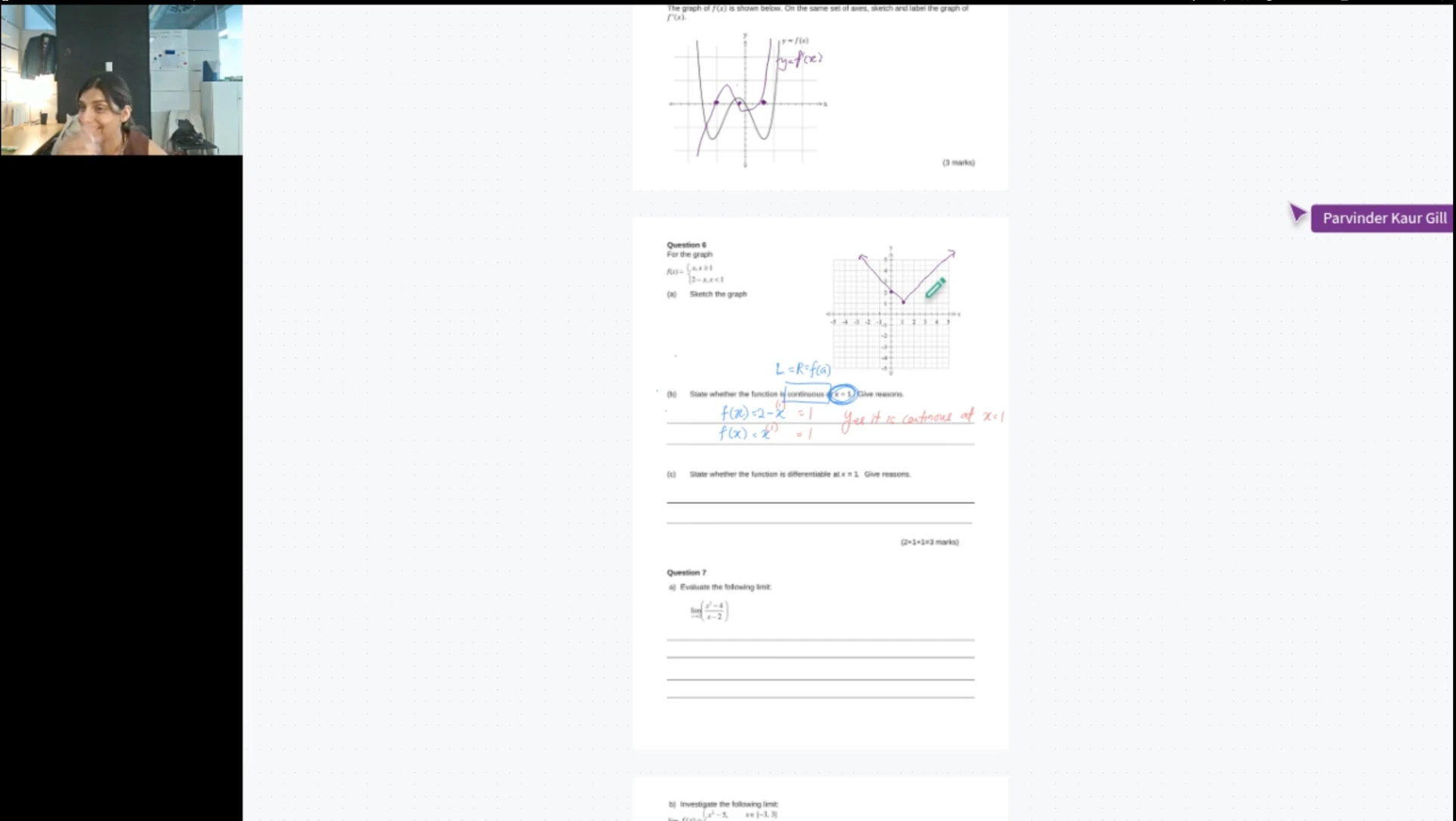
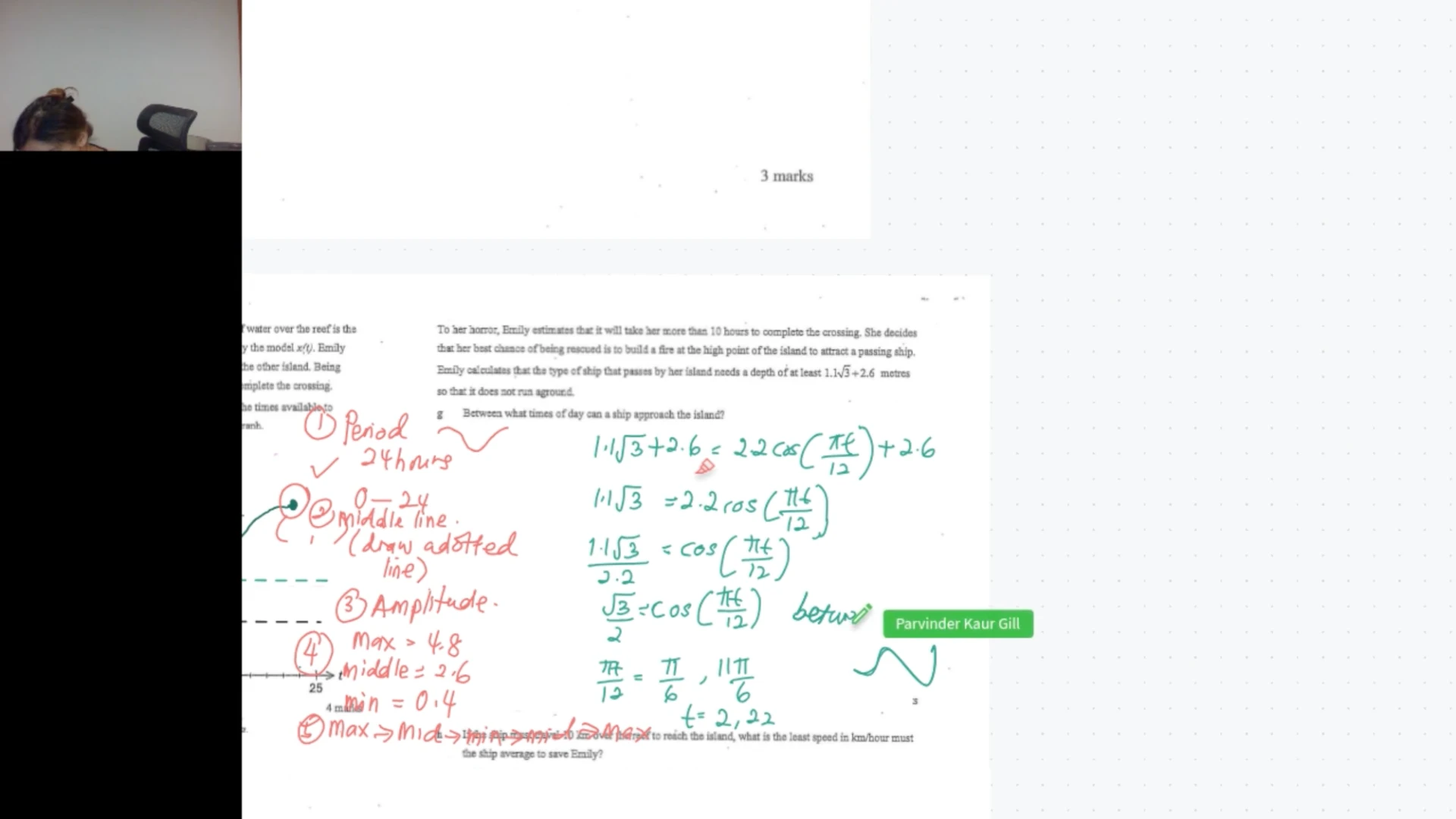
Interactive online sessions in small matched groups — problems worked together step by step, graphs sketched live and reasoning explained aloud, with recordings students can revisit before SACs and exams.

step 04

SAC and exam simulation

Timed practice in both exam formats with examiner-standard feedback, past VCAA question deconstruction and drilled algebraic routines turn understanding into reliable marks.

Not sure where the Methods gaps are?

Begin with a free 60-minute diagnostic session and written report. We assess current understanding against the VCAA Mathematical Methods Study Design and explain where focused support can have the greatest impact.

Questions families ask

Clear answers before you begin.

Practical details about the program, preparation and what your child can expect.

Still have a question not listed here? We answer every one personally. Ask us directly.