EduPrism — Evolve with Education
VCE/English

Good ideas, sharpened into essays that score.

From close reading and creative responses to argument analysis and the end-of-year exam, every session follows the VCAA English Study Design and your school's SAC calendar — with the same specialist tutor each week, in a group of no more than five.

The English difference

English rewards precision. We teach it.

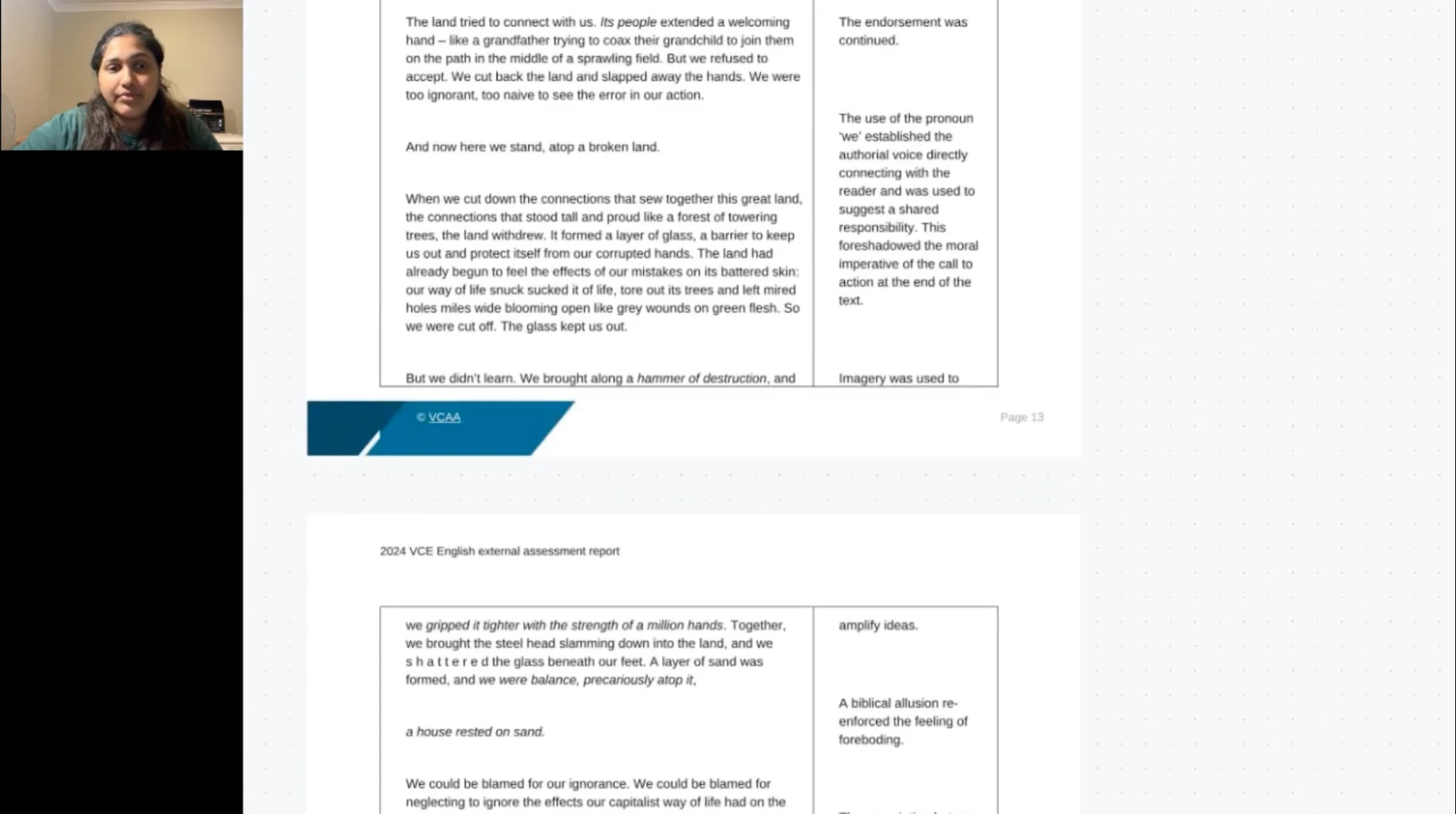
VCE English is the one subject every student must complete — and the one where "I understood the book" doesn't translate into marks without the writing craft to prove it. Our sessions train what examiners actually reward: a contention that answers the topic, analysis that moves beyond summary, evidence embedded smoothly into sentences and arguments that develop paragraph by paragraph.

One English specialist throughout
Small matched groups
Past VCAA question deconstruction
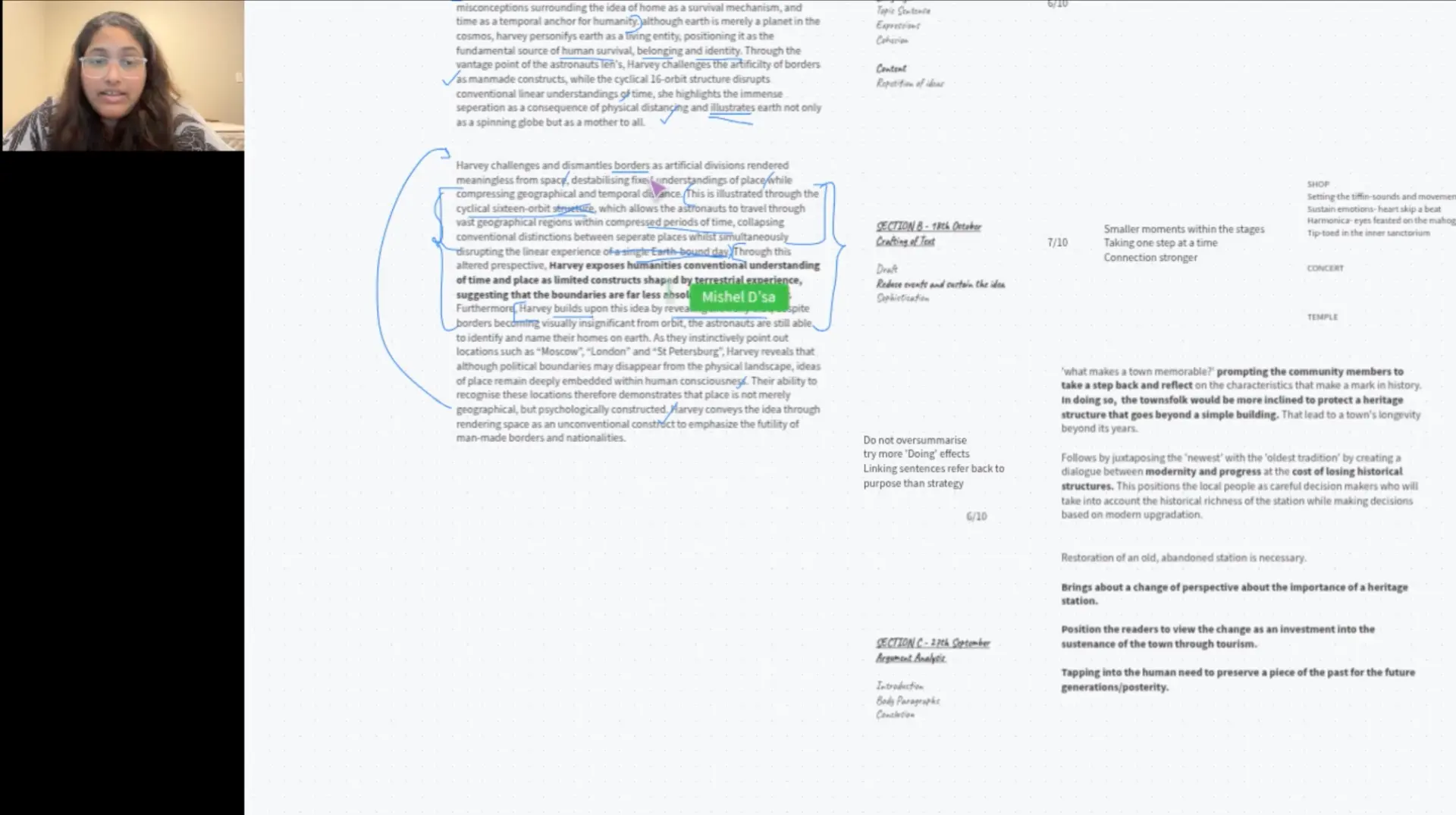
Draft-by-draft essay feedback

Units 1–4

Every unit, mapped to the Study Design.

Support across the whole VCAA English sequence — from reading and exploring texts in Unit 1 to the end-of-year examination.

Unit 1

Reading and exploring texts

  • Close reading of set texts — plot, character, setting and the ideas beneath them
  • Developing interpretations supported by textual evidence
  • Personal and analytical responses in structured written form
  • Building the discussion habits that sharpen ideas before they reach the page
Unit 2

Exploring argument

  • How argument and persuasive language position audiences
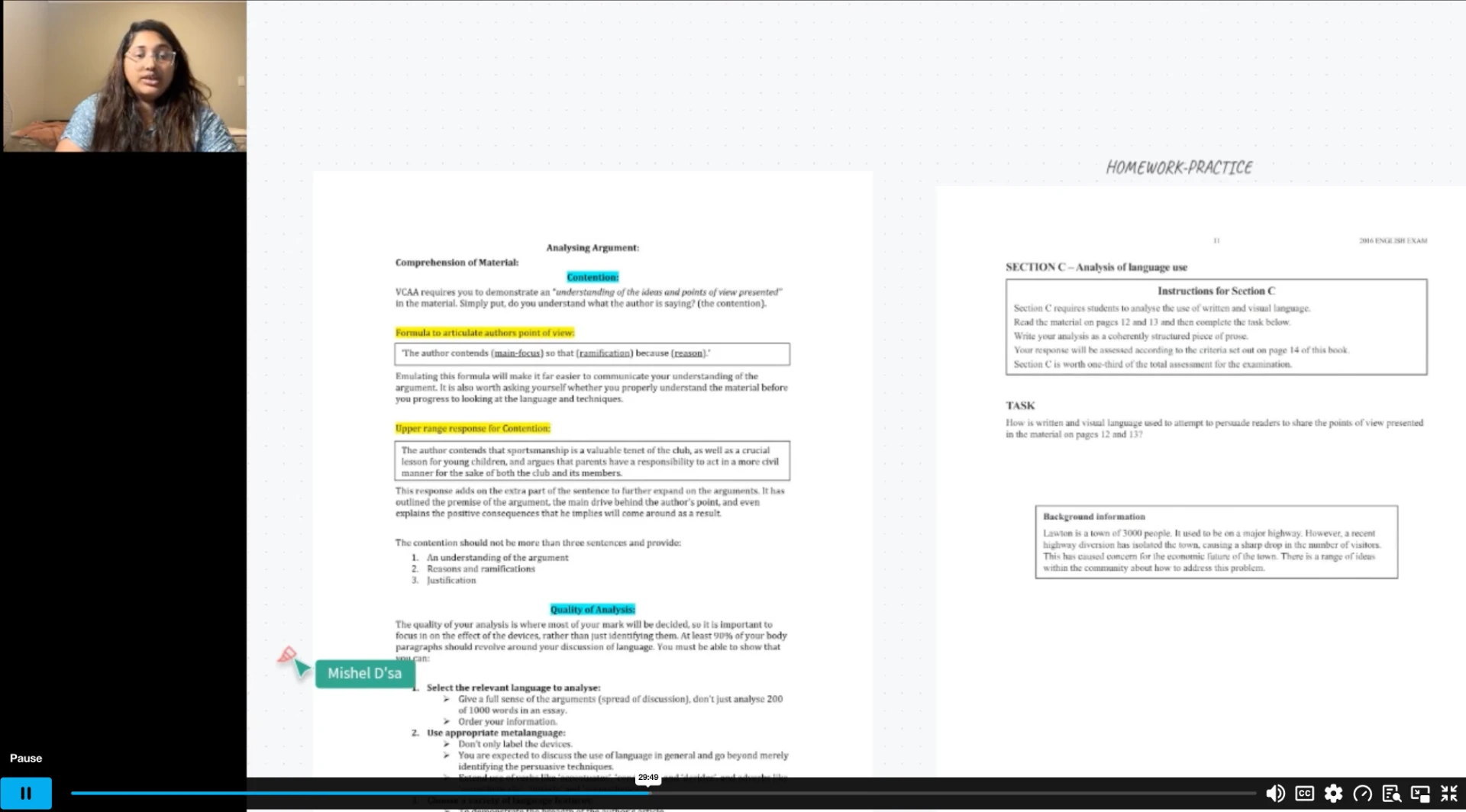
  • Analysing contention, supporting arguments and persuasive techniques in media texts
  • Constructing a reasoned point of view with credible evidence
  • Presenting and defending that point of view in spoken and written form

Unit 3

Reading and creating texts, Analysing argument

  • Analytical responses to set texts — a clear contention, structured paragraphs and embedded evidence
  • Creative responses that reimagine the text while showing deep knowledge of it
  • Written explanations that justify creative choices against the original text
  • Analysis of argument and language in print and audio-visual media texts

Unit 4

Reading and comparing texts, Analysing argument

  • Comparative analytical responses — the ideas two texts share and where they diverge
  • Moving beyond text-by-text summary to genuine discussion of both texts
  • Sustained analysis of persuasive argument across a collection of media material
  • Polishing the vocabulary and sentence control examiners reward at the top end

How English is assessed

SACs, essays and the exam.

Each assessment type demands a different skill — we prepare for all of them, in the order your school schedules them.

01

School-assessed coursework (SACs)

Units 3 and 4 assess analytical and creative responses to texts, comparative analysis and analyses of argument through school-based SACs. We build a week-by-week plan around your school's SAC calendar so every assessment — and the written explanations that accompany creative work — is rehearsed before it counts.

02

Essay craft and structure

High-scoring English is built on structure: a contention that answers the topic, topic sentences that argue, evidence woven into sentences rather than dropped in, and conclusions that advance the argument. Sessions coach that craft explicitly, draft by draft, until it becomes automatic.

03

Close reading and interpretation

SAC and exam topics reward students who can interpret how authors construct meaning — imagery, narrative structure, characterisation and motifs — rather than recite what happened. We train students to read for craft and write about it with precision.

04

End-of-year examination

The external exam covers Units 3 and 4 in two sections — a response to a set text and an analysis of argument and language — and contributes the majority of the final study score. Preparation moves from content mastery to timed essay writing, planning under pressure and examiner-standard feedback on past VCAA sections.

The PRISM pathway

From diagnostic to exam room.

The PRISM framework shifts emphasis as SACs and the end-of-year exam approach, so effort stays focused where it matters most.

01

VCAA dot-point diagnostic

A free 60-minute diagnostic maps your child's reading, writing and analysis against the English Study Design and identifies exactly where marks are being lost — from essay structure to textual interpretation.

02

SAC-synced learning plan

A written plan sequences each area of study ahead of the school's assessment calendar, so every session prepares your child for the essay or analysis being marked next.

03

Live specialist tutoring

Interactive online sessions in small matched groups — essays unpacked line by line, arguments debated aloud and writing revised live, with recordings students can revisit before SACs and exams.

04

SAC and exam simulation

Timed essay practice in both exam sections with examiner-standard feedback, past VCAA question deconstruction and drilled planning routines turn strong ideas into reliable marks.

Questions families ask

Clear answers before you begin.

Practical details about the program, preparation and what your child can expect.

Still have a question not listed here? We answer every one personally. Ask us directly.

Start with clarity

Not sure where the English gaps are?

Begin with a free 60-minute diagnostic session and written report. We assess reading, writing and analysis against the VCAA English Study Design and explain where focused support can have the greatest impact.

Book a free diagnostic

No commitment — just a clear starting point.