EduPrism — Evolve with Education
VCE/Chemistry

Balance the equation. Then balance the exam.

From bonding and stoichiometry to equilibrium and organic reaction pathways, every session follows the VCAA Chemistry Study Design and your school's SAC calendar — with the same specialist tutor each week, in a group of no more than five.

1Unit

U1

How can the diversity of materials be explained?

2Unit

U2

How do chemical reactions shape the natural world?

3Unit

U3

How can design and innovation help to optimise chemical processes?

4Unit

U4

How are carbon-based compounds designed for purpose?

1–4

Units supported

1:5

Tutor-to-student ratio

Same tutor

Every session

The Chemistry difference

Chemistry rewards reasoning. We teach it.

VCE Chemistry is not a memorisation subject — VCAA questions ask students to apply principles of bonding, energy and equilibrium to unfamiliar reactions and data. Our sessions train that reasoning explicitly: setting out calculations logically, interpreting spectra and titration results critically, and using the chemical terminology examiners reward.

01

One Chemistry specialist throughout

02

Small matched groups

03

Past VCAA question deconstruction

04

Parent progress visibility

Every unit, mapped to the Study Design.

Support across the whole VCAA Chemistry sequence — from materials and bonding in Unit 1 to the end-of-year examination.

U1Unit 1

How can the diversity of materials be explained?

  • Atomic structure, electron configuration and periodic table trends
  • Metallic, ionic and covalent bonding — lattices, molecules and materials properties
  • The mole, relative masses and mass–mass stoichiometry
  • Polymers, composites and nanomaterials — structure applied to real uses
U2Unit 2

How do chemical reactions shape the natural world?

  • Precipitation, acid–base and redox reactions in water
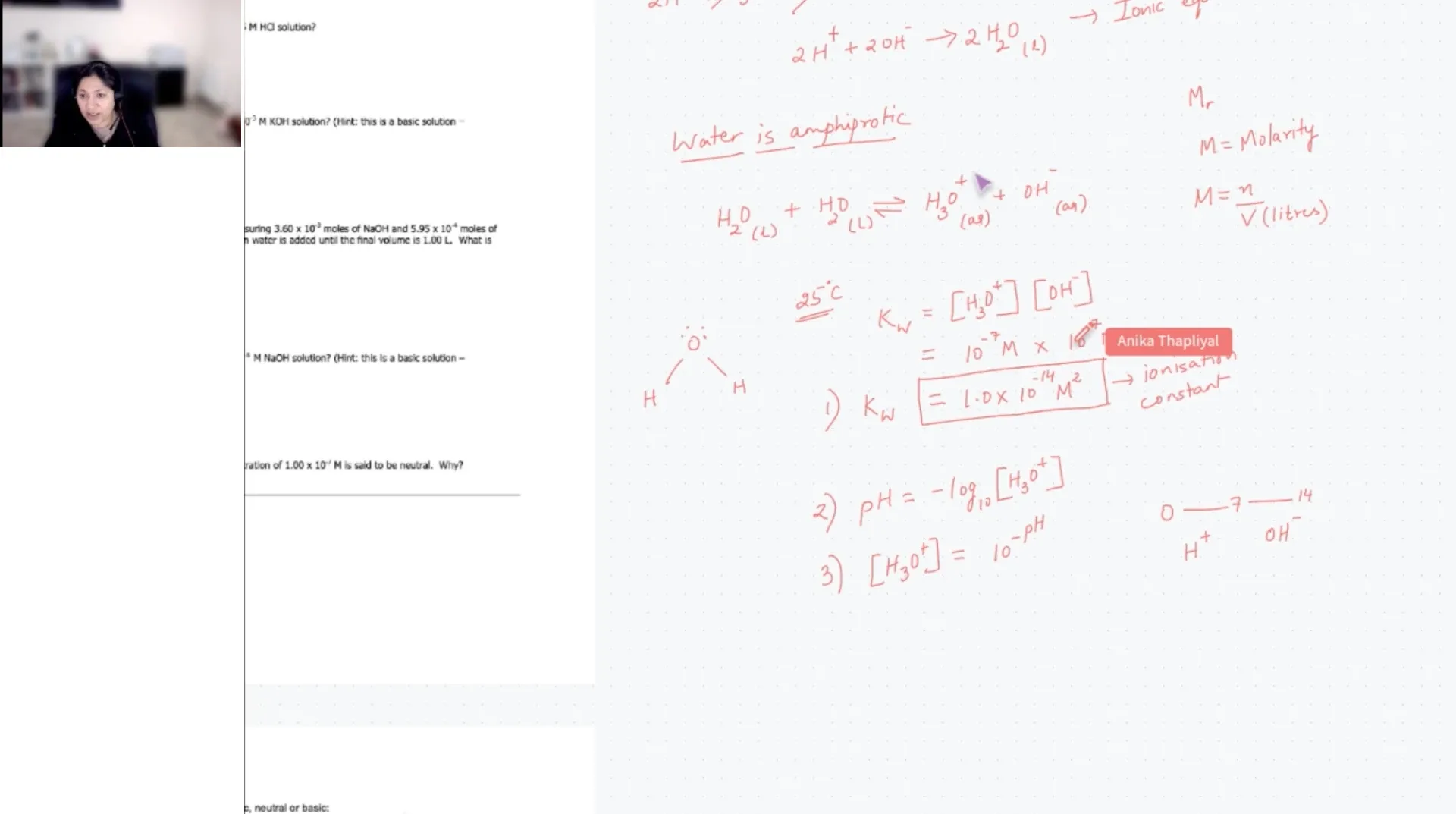
  • Aqueous solutions — concentration, molarity, dilution and solution stoichiometry
  • Water quality and the analysis of salts, acids and contaminants
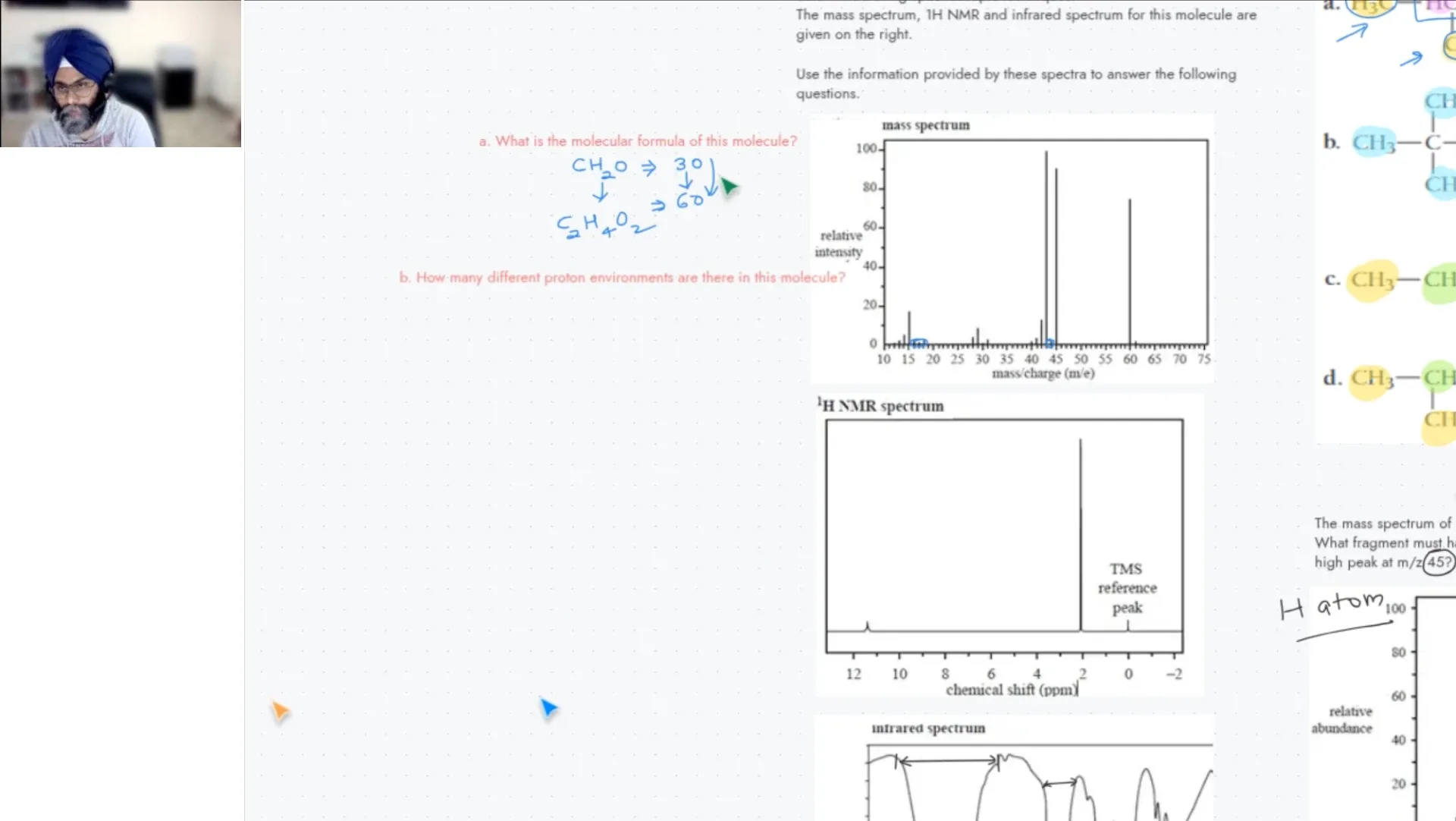
  • Instrumental analysis — colorimetry, UV–visible spectroscopy and atomic absorption, plus the practical investigation
U3Unit 3

How can design and innovation help to optimise chemical processes?

  • Fossil fuels and biofuels — energy transformations and combustion stoichiometry
  • Galvanic cells and fuel cells — redox chemistry at the electrodes
  • Rates of reaction and collision theory
  • Equilibrium law, Le Chatelier's principle and optimising yield in industrial processes
U4Unit 4

How are carbon-based compounds designed for purpose?

  • Hydrocarbons and functional groups — nomenclature, properties and reaction types
  • Reaction pathways, polymer design and the molecules behind fuels and materials
  • Instrumental analysis — mass spectrometry, infrared and NMR spectroscopy, chromatography
  • Proteins, carbohydrates, fats and vitamins — structure, metabolism and the student-designed investigation

How it is assessed

SACs, practicals and the final exam.

School-assessed coursework (SACs)

Units 3 and 4 each include SACs — from annotated data analyses on electrochemistry and equilibrium, to structured questions on organic reaction pathways. We build a week-by-week plan around your school's SAC calendar so preparation lands before each assessment, not after.

Practical and logbook work

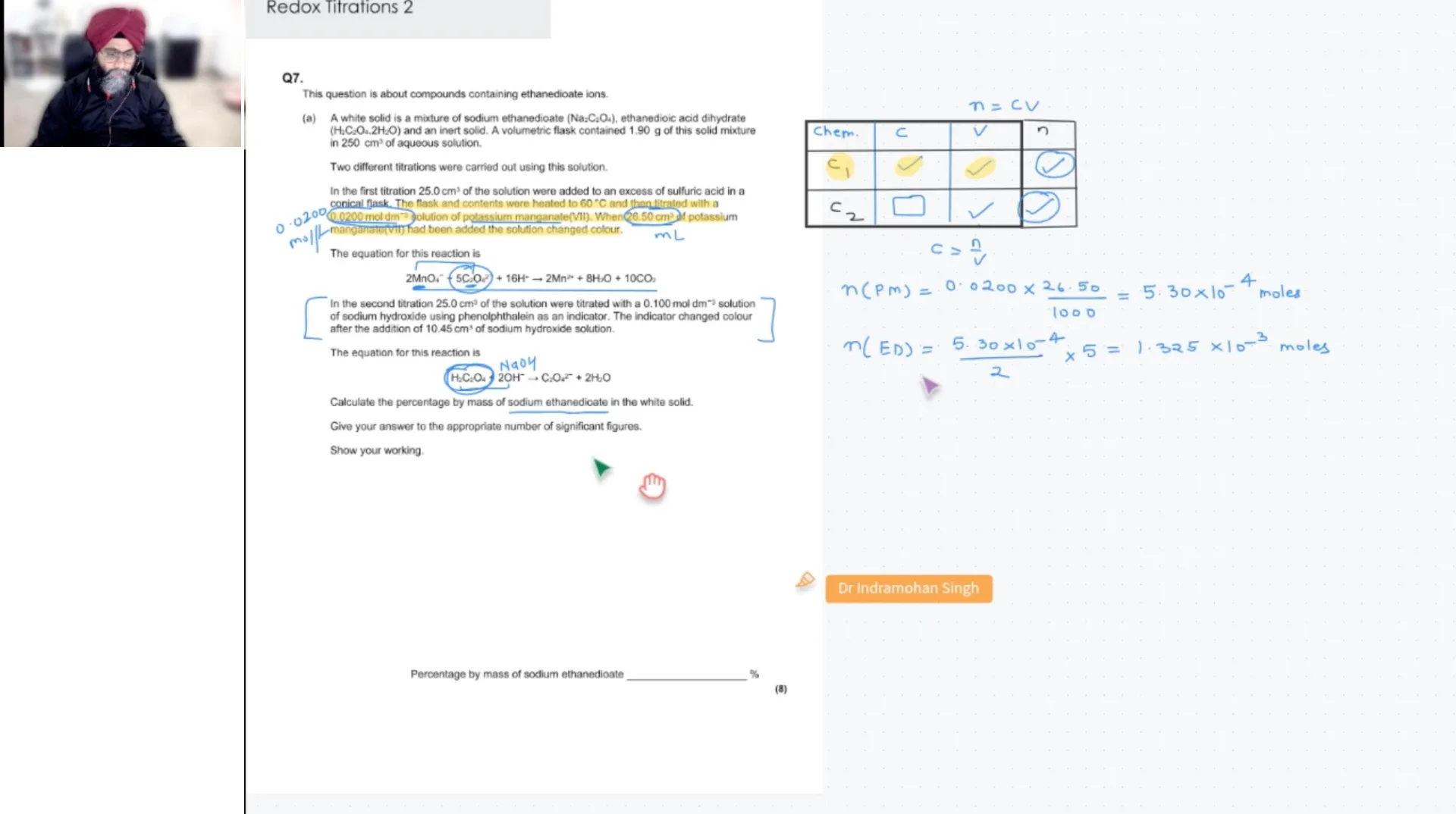
Chemistry SACs draw on practical activities and logbook entries — titrations, calorimetry, electrochemical cells and spectroscopy. Sessions reinforce the chemistry behind each task so calculations, uncertainty handling and write-ups become second nature.

Student-designed investigation

Unit 4 Area of Study 2 is a student-designed scientific investigation, communicated as a scientific poster. We coach question formulation, variable control, data analysis and the claim–evidence–reasoning structure VCAA expects.

End-of-year examination

The external VCAA Chemistry examination covers Units 3 and 4 and contributes to the final study score. Preparation moves from content mastery to examiner-standard practice: multi-step calculations, spectroscopy data interpretation and the precise chemical language that earns full marks.

The PRISM pathway

A reaction, step by step.

01

VCAA dot-point diagnostic

A free 60-minute diagnostic maps your child's understanding against the Chemistry Study Design, unit by unit, and identifies exactly where marks are being lost.

02

SAC-synced learning plan

A written plan sequences each unit's content ahead of the school's assessment calendar, so every session prepares your child for what is being marked next.

03

Live specialist tutoring

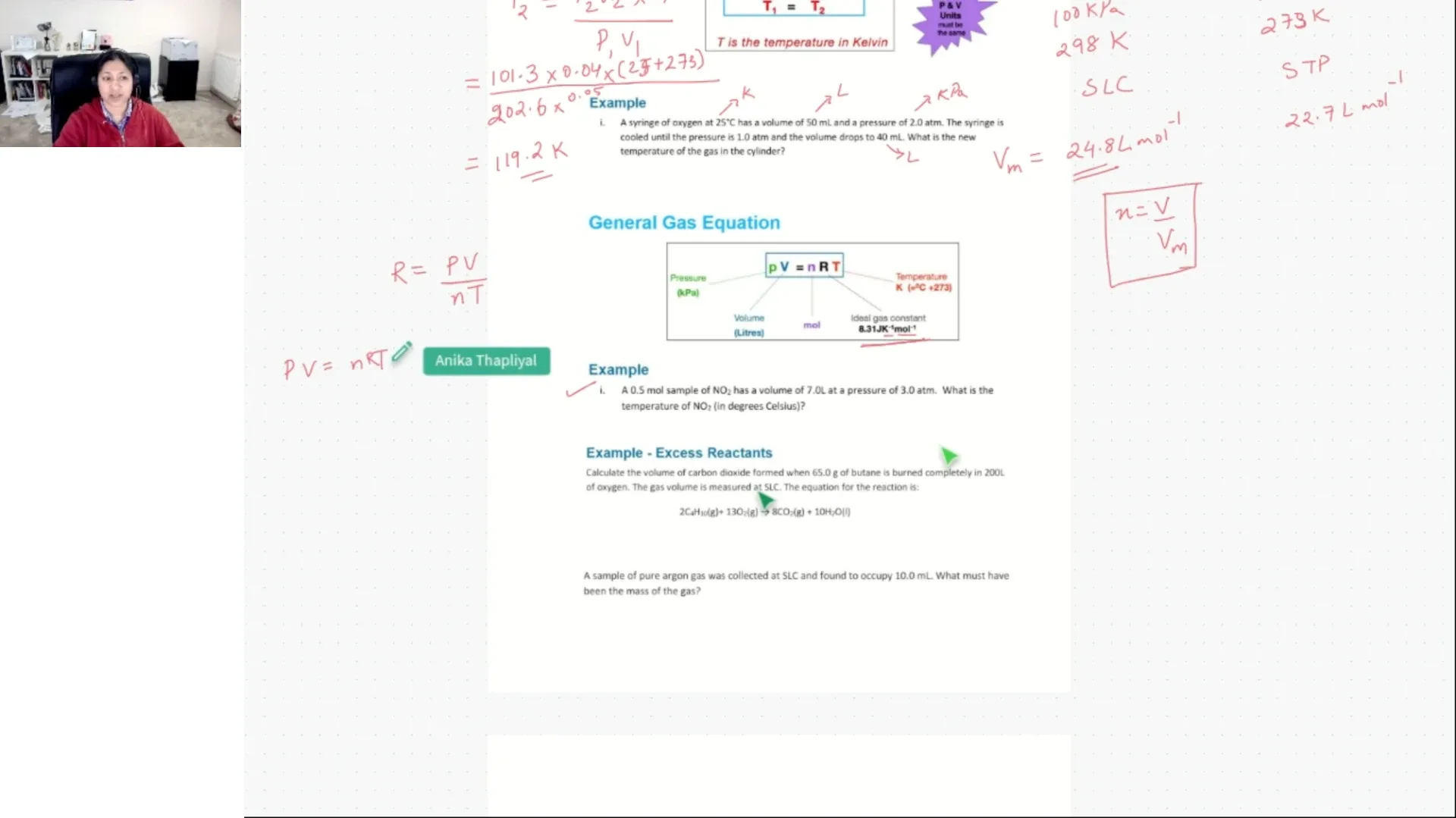
Interactive online sessions in small matched groups — worked calculations built together step by step, structures drawn live, and recordings students can revisit before SACs and exams.

04

SAC and exam simulation

Timed practice with examiner-standard feedback, past VCAA question deconstruction and drilled calculation routines turn understanding into reliable marks.

Not sure where the Chemistry gaps are?

Begin with a free 60-minute diagnostic session and written report. We assess current understanding against the VCAA Chemistry Study Design and explain where focused support can have the greatest impact.

Questions families ask

Clear answers before you begin.

Practical details about the program, preparation and what your child can expect.

Still have a question not listed here? We answer every one personally. Ask us directly.